




Since 1976, Moretti S.p.A. has undergone half a century of transformations, consolidating its identity and positioning in a constantly changing market over time. Thanks to a vision focused on innovation and quality, the company is now recognised as a benchmark in the assisted mobility and personal aids sector.
Its origins date back to the distribution of pharmaceutical and medical equipment, which began with a dedicated van. Fast forward to 2026, the company has a recognisable and consolidated position in the world of mobility and aids for the elderly and people with disabilities.
The 1970s-1990s: the origins of Moretti S.p.A. in the history of medical aids and mobility
Moretti S.p.A. was founded 50 years ago to meet a specific need in the healthcare market: to supply equipment for pharmacies and medical practices.
The first products in the catalogue were instruments dedicated to galenic preparation, drug dispensing and outpatient activities, such as: flasks, pipettes, mechanical scales, mercury sphygmomanometers, thermometers and instruments for the daily work of pharmacists and doctors.
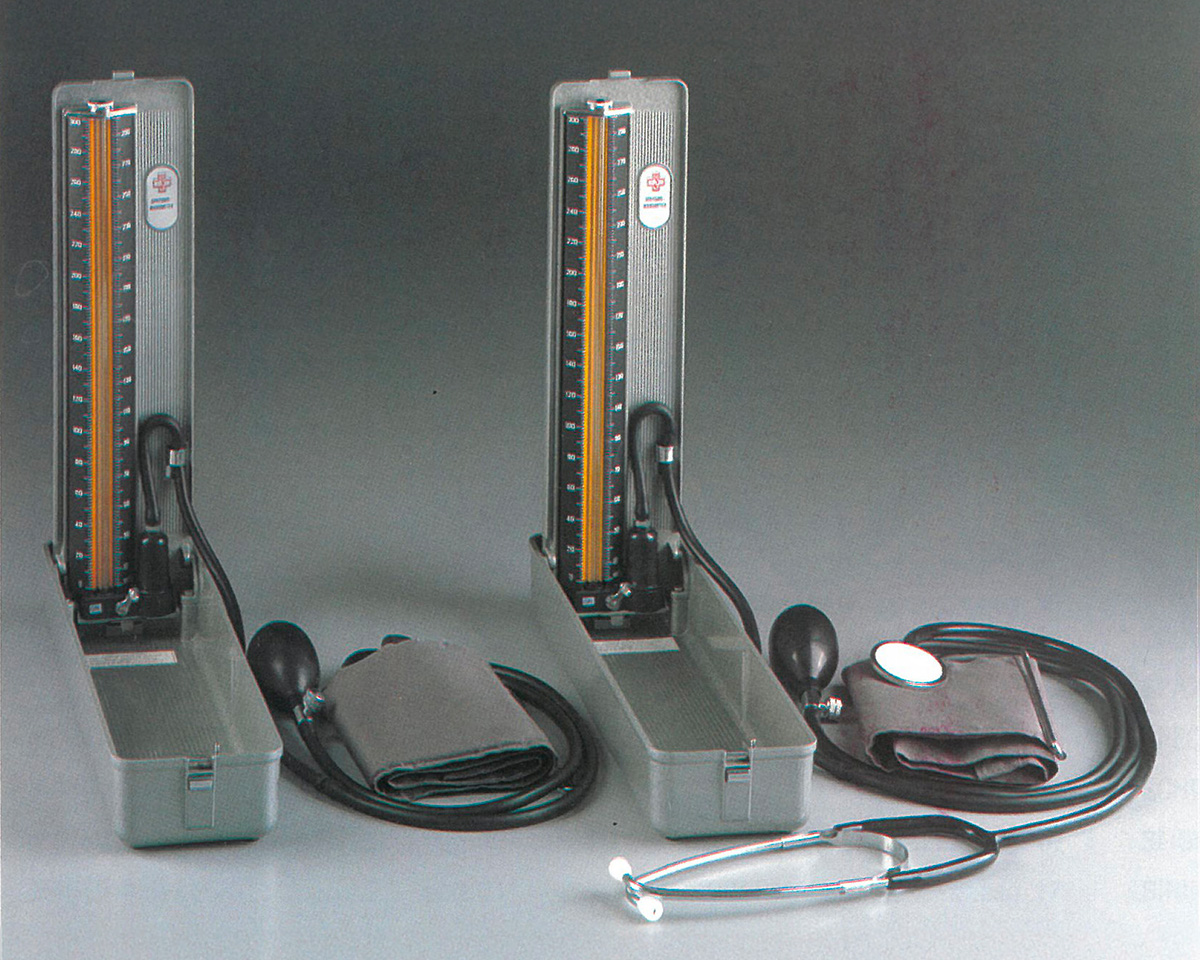
In the 1980s, the range of products on offer expanded significantly. In response to growing demand, surgical instruments and the hospital sector became central to Moretti S.p.A.’s portfolio. Electromedical devices and surgical instruments were added to the catalogue, as well as medical diagnostic instruments, hospital furniture and medical emergency solutions.

In the early 1990s, catalogues dedicated to individual product lines were created, such as L.E.M. (Linea Elettromedicali Moretti S.p.A.) and CHIMO (Chirurgia Moretti S.p.A.), marking the first step towards a clearer structure for the product range.
1990s-2000s: transition and strategic insight
Between the late 1990s and the beginning of the new millennium, thanks to the forward-thinking vision of the owners, the first products for healthcare and orthopaedics were added to the catalogue, introducing the first aids for the elderly and people with disabilities.
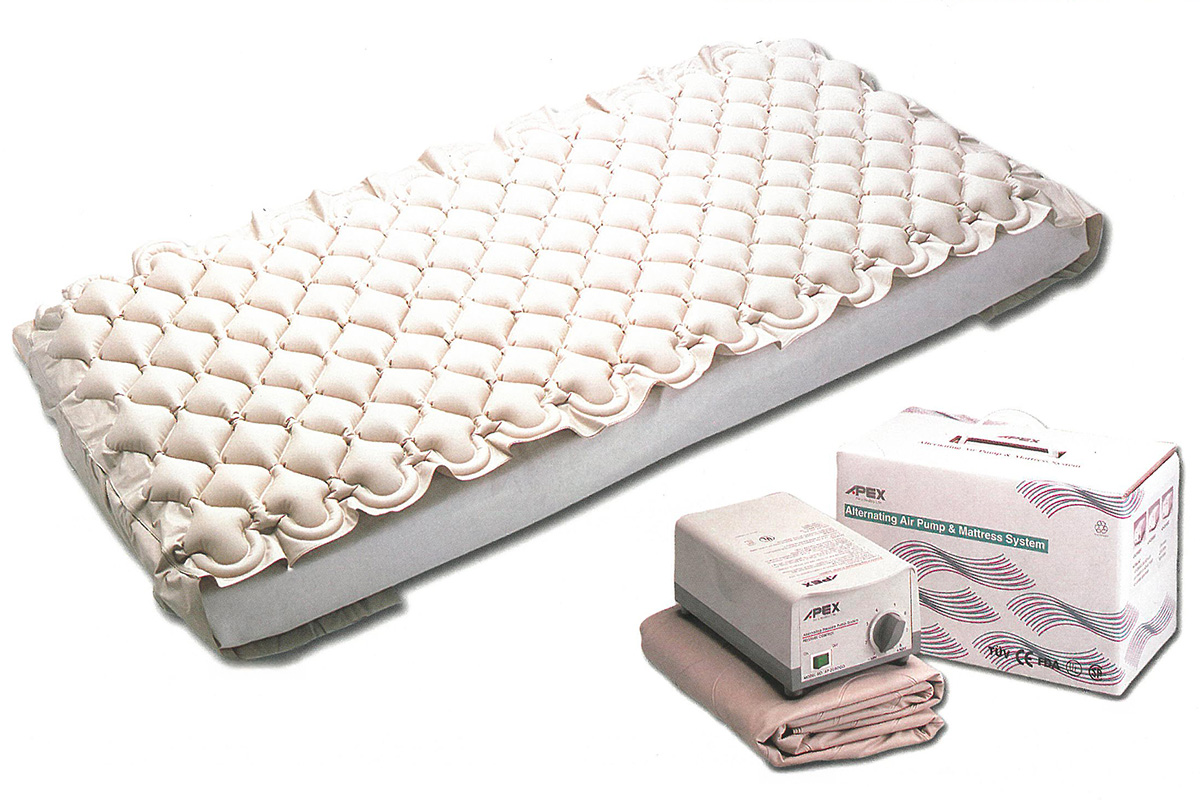
The first product introduced in the care sector was the antidecubitus mattress, which paved the way for a gradual expansion of the range.
Fabrizio Fabbrini, one of the founders of Moretti S.p.A., identified a major structural change in society: between the 1970s and 2000s, life expectancy increased steadily, aided by the development of services, rising from 68 to 79 years, reaching 84 years today.
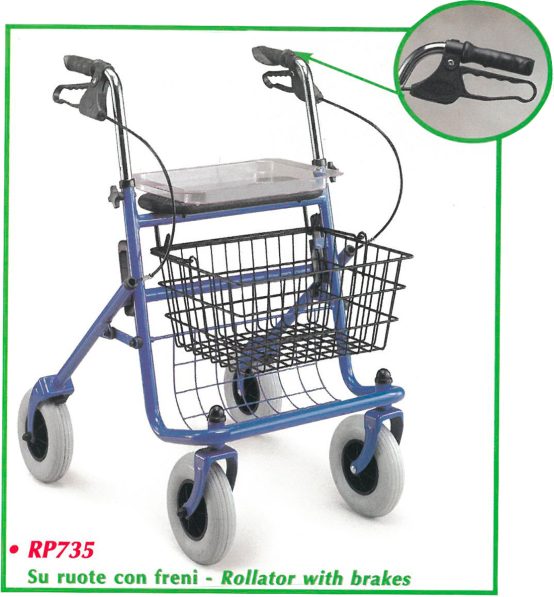
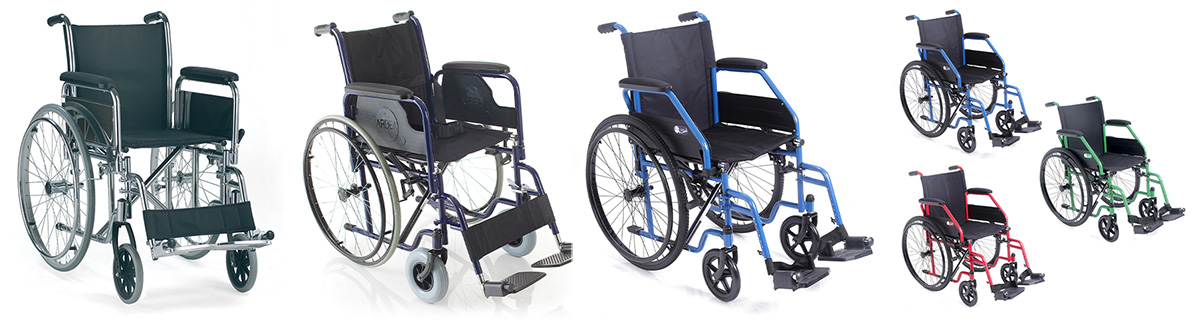
In this context, the company began to develop solutions capable of responding to new needs related to independence, quality of life and assisted mobility for the elderly and people with disabilities. The 2002-2003 catalogue featured the first rollator, followed in the 2005-2006 catalogue by steel wheelchairs, including the historic CP100.
This marks the beginning of a process of continuous expansion, giving shape to an increasingly detailed and comprehensive catalogue. In 2004, growth in the mobility sector made it necessary to relocate the headquarters in order to have adequate space for the management of increasingly bulky products. In 2006, the warehouse was further expanded to support logistics and production development.
With the change in target market and the introduction of new solutions, there was a need to restructure the product range and define a new strategic direction. In 2005, a major rebranding project was carried out, leading to the creation of the product lines we know today:
- Mopedia, dedicated to home care and daily life aids
- Ardea, focused on mobility (manual and electric wheelchairs and scooters)
- Levitas, for decubitus sores prevention
- Logiko, for sphygmomanometers and basic diagnostics
- Kyara, for home care and therap
- Lem, for professional and hospital electromedical equipment
- Dimed, for advanced diagnostics
- Prestige, for sterile and disposable medical supplies
- Easyred, for emergencies and first-aid
- Skema for clinic furnishings.
From the 2000s to today: mobility as a core business
Over the last twenty years, the direction has been clear: mobility has become the core business of Moretti S.p.A. Wheelchairs, rollators, patient lifts, hospital beds and antidecubitus systems are now at the heart of the company’s offering.
In 2013, the first in-house Made in Italy production was launched, thanks to a collaboration with Mauro Busti, a long-standing supplier whose company was saved from bankruptcy and integrated into Moretti S.p.A., along with its expertise, employees and machinery.
Initially dedicated to the production of professional examination couches, this was later joined by Kompass patient lifts. Today, in-house production includes a wide range of patient lifts, examination couches and furniture accessories for medical practices.
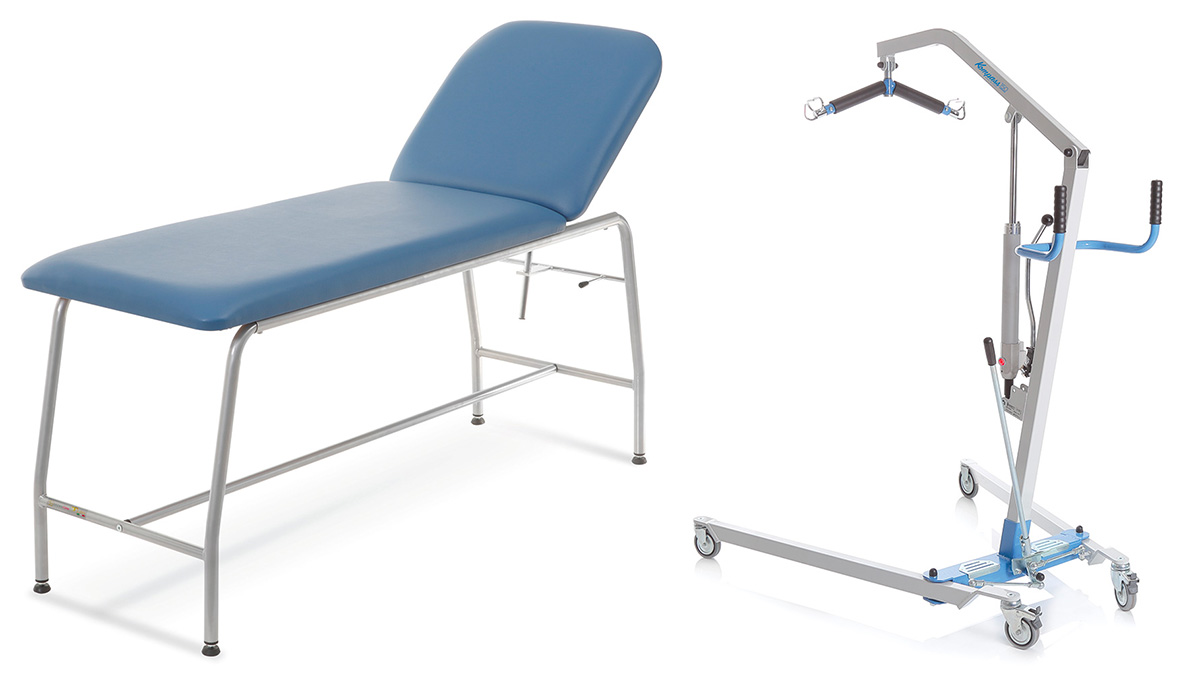
A new approach to the design of aids is taking shape, with a focus on both the well-being and independence of the elderly and on making the work of carers easier.
There is growing attention to the ergonomics, lightness and ease of use of aids, supported by a significant evolution in the materials used:
- the transition from steel to aluminium for the design of lighter products, favouring the development of lightweight wheelchairs;
- the introduction of technical plastics and elastomers, capable of improving comfort, strength and durability;
- the use of fireproof, breathable and easy-to-sanitise fabrics, which allow for the creation of increasingly high-performance antidecubitus systems.
At the same time, there is a growing focus on regulatory compliance. Moretti S.p.A. is gradually evolving from an importer to a certified manufacturer of medical devices, integrating internal regulatory expertise and adopting increasingly stringent testing processes.
With the expansion and specialisation of the range, the target market has also changed. While in the 1980s and 1990s, customers were mainly medical and hospital facilities, today Moretti S.p.A. mainly caters to orthopaedic, healthcare facilities and B2B retailers in the home care sector.
Moretti S.p.A. catalogues as a reflection of the evolution of mobility aids
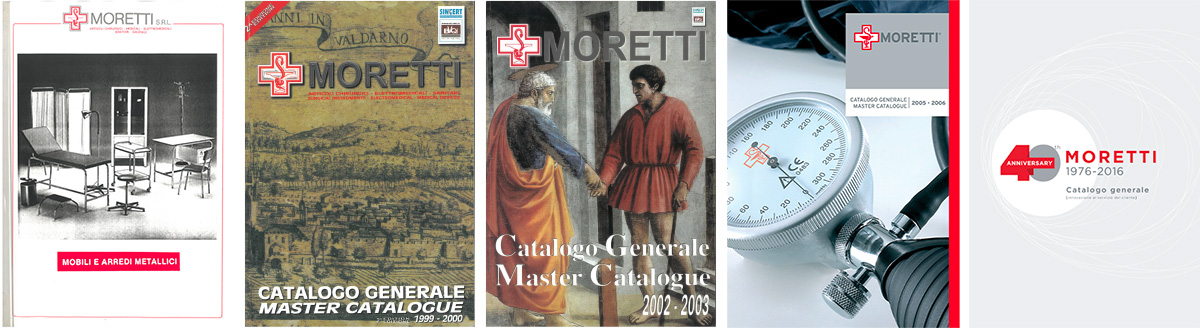
Moretti S.p.A.’s catalogues visually recount this transformation. From the first structured catalogues of the 1990s, through the rebranding of 2005, to the most recent editions, each cover reflects a change in identity, target audience and product portfolio.
From the 1980s to the present day, the covers have become a visual timeline of the company’s evolution, accompanying the growth of the range and the strengthening of the brand.
A look to the future
Looking to the future, Moretti S.p.A. confirms a clear direction: redefining the concept of autonomy and well-being, developing solutions that are increasingly focused on the individual.
The increase in average age and greater attention to quality of life require aids that exceed expectations in terms of comfort, safety and functionality. In this scenario, innovation is not only technological, but also cultural: identifying products that promote the independence of the end user, without forgetting the fundamental role of the caregiver.
In the coming years, the introduction of new materials, the development of e-mobility solutions and the strengthening of Made in Italy will represent strategic levers to further improve product performance and adaptability to real-world contexts.
This path is guided by the values of Moretti S.p.A.: integrity, inclusion, teamwork, well-being and a focus on continuous improvement, with the aim of making a concrete contribution to a future in which old age and disability are less and less synonymous with a loss of independence and quality of life.