




Pressure injuries, also known as pressure ulcers, decubitus ulcers or bed sores, are one of the most common complications in people with reduced mobility or those are forced to remain in the same position for prolonged periods. In most cases, they can be prevented, provided action is taken before the first signs appear. A proper risk assessment, combined with the use of appropriate aids and simple daily precautions, can significantly reduce the likelihood of skin lesions developing.
How pressure injuries develop
Pressure ulcers do not appear suddenly. They develop when prolonged pressure in a static position reduces the blood supply to the affected areas, causing skin damage.
The areas most commonly affected are those where bony prominences exert greater pressure on the supporting surface, such as the sacrum, heels, hips, elbows, ankles and shoulder blades.
If pressure is maintained a long time, the tissues gradually begin to deteriorate until the first ulcers appear.
The main risk factors
Not everyone is at the same risk of developing a pressure ulcer. For this reason, the initial assessment is one of the most important aspects of prevention.
The main risk factors vary according to the following characteristics:
- reduced or no mobility;
- prolonged time spent in bed or in a wheelchair;
- advanced age;
- incontinence and damp skin;
- neurological or vascular conditions;
- reduced pain sensitivity;
- malnutrition and dehydration.
Good clinical practice requires collaboration between the general practitioner and the physiatrist in assessing risk and defining the care pathway, taking into account various factors, including level of mobility, time spent in bed or in a wheelchair, nutritional status, skin condition and the presence of other medical conditions.
This assessment enables the early identification of the need for specific preventive measures and the most suitable aids.
Prevention and treatment: what is the difference?
Preventing a pressure ulcer is very different from treating one.
Prevention aims to reduce the risk of a pressure ulcer developing through proper pressure management, repositioning the patient, monitoring the skin and using appropriate pressure ulcer prevention systems.
Treatment, on the other hand, is required when a pressure ulcer has already developed and requires a specific clinical approach determined by healthcare professionals.
For this reason, it is essential not to wait for the first lesions to appear. Prevention is the most effective method against pressure ulcers: pressure ulcer prevention aids are at their most effective when introduced at the preventive stage, before lesions appear. When ulcerations or pressure ulcers are already present, it is necessary to consult a doctor for assessment and treatment.
When to start preventing pressure ulcers
There is no need to wait for persistent redness to appear; the right time to start prevention is when a person loses their independence or spends more time sitting or lying down.
It is advisable to pay particular attention when:
- following surgery;
- during a long hospital stay;
- a wheelchair is used on a permanent basis;
- the person has difficulty changing position independently;
- an elderly person spends most of the day sitting or in bed;
- there are neurological conditions, following a stroke or other conditions that limit mobility.
If a person requires daily assistance from a family member or a care worker to move around, it is advisable to consult a doctor or healthcare professional to assess the most appropriate preventive measures.
Early warning signs that should not be ignored
Pressure injuries do not start as open wounds. In the early stages, certain signs may appear which it is important to recognise promptly, including:
- redness that does not disappear after changing position;
- skin that feels warmer or cooler than the surrounding areas;
- swelling or hardening;
- localised pain or discomfort.
If these signs are present, you should consult a healthcare professional for an assessment.
How to prevent pressure ulcers in everyday life
Prevention is based on a set of measures that help to reduce prolonged pressure on the tissues and keep the skin in good condition.
Key preventive measures include:
- promoting an optimal skin microclimate through the use of breathable materials;
- avoiding placing multiple layers between the patient and the mattress, opting instead for a light, breathable sheet;
- encouraging movement and frequent changes in position;
- checking the skin daily to detect early changes in temperature, texture or any hardening;
- avoiding prolonged pressure;
- keeping the skin clean and dry;
- maintaining a healthy diet and staying well-hydrated;
- using anti-decubitus cushions and mattresses where indicated;
- following the instructions of healthcare staff.
Which pressure ulcer prevention device should you choose?
There is no single pressure ulcer prevention device that suits everyone. The choice must always be based on the individual’s risk level, the amount of time spent sitting or lying down, and the advice of healthcare professionals.
These aids are specifically designed to distribute the pressure exerted by body weight more effectively, thereby reducing the risk of tissue damage in people with reduced mobility.
The choice of pressure ulcer prevention aids depends on several factors, including the person’s level of mobility, the amount of time spent sitting or lying down, and the advice provided by healthcare professionals.
Pressure-relief cushions and mattresses: when to use them
The first consideration is the position the person maintains for most of the day.
A pressure-relief cushion is recommended for those who spend many hours sitting, for example in a wheelchair, a chair or an armchair.
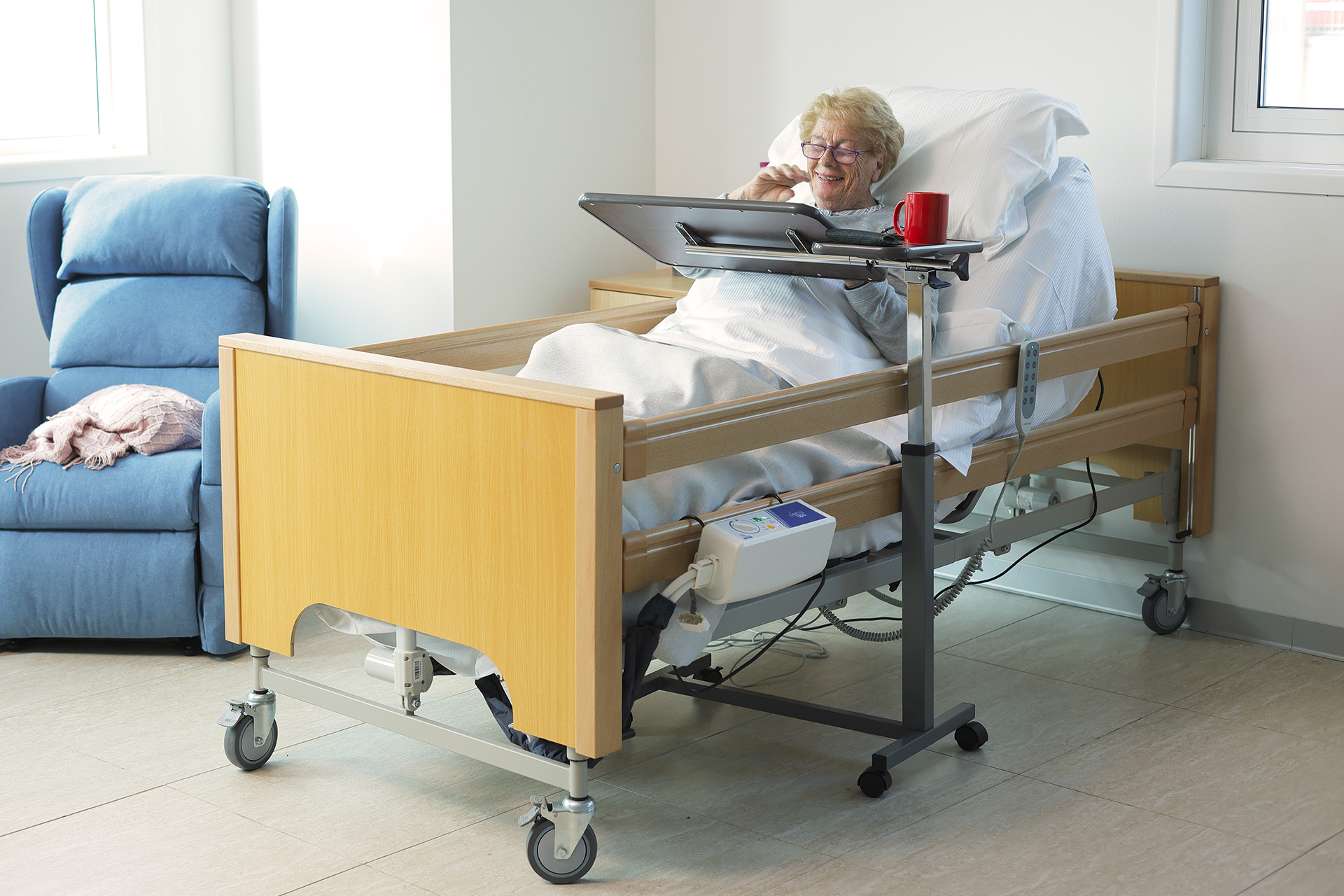
An antidecubitus mattress, on the other hand, is recommended for bedridden people with severely reduced mobility who spend prolonged periods in bed.
Which technology should you choose?
Once you have identified the most suitable aid, you can choose the most appropriate technology.
Air systems
These systems allow you to adjust the pressure level and adapt the support to the shape of the body, improving pressure distribution and reducing pressure points. They are particularly suitable when it is necessary to minimise pressure points in people at medium or high risk.
Air-cell cushions are among the most effective solutions for preventing pressure ulcers in a seated position. Thanks to the ability to adjust the pressure differently between the two sections of the cushion, they promote both pressure relief and correct postural alignment. Air mattresses, on the other hand, are connected to compressors that slowly and alternately inflate and deflate the various cells, periodically shifting the points of contact and preventing the body from remaining under static pressure for long periods.
I materassi antidecubito a pressione alternata sono collegati a un compressore che gonfia e sgonfia lentamente e in modo ciclico le diverse celle d’aria.
Questo movimento modifica periodicamente i punti di appoggio del corpo, evitando che le stesse aree rimangano sottoposte a una pressione statica e prolungata. In questo modo, il sistema contribuisce a ridurre il rischio di lesioni da pressione ed è particolarmente indicato per persone allettate o con mobilità fortemente ridotta.
Alternating-pressure anti-decubitus mattresses are connected to a compressor which slowly and cyclically inflates and deflates the various air cells.
This movement periodically shifts the body’s pressure points, preventing the same areas from remaining subjected to prolonged static pressure. In this way, the system helps to reduce the risk of pressure ulcers and is particularly suitable for people who are bedridden or have severely reduced mobility.
The value of continuity of care
The prevention of pressure ulcers does not depend solely on the product, but above all on the continuity of care. Prevention is, in fact, a shared process involving various healthcare professionals:
- the general practitioner and the physiatrist assess the level of risk and draw up the care plan;
- the carer monitors and intervenes on a daily basis to manage pressure on the skin and reposition the patient;
- the specialist retailer assists in selecting the most suitable aid and provides guidance on its correct use..
Effective prevention stems from collaboration between all these professionals and from choosing pressure ulcer prevention systems tailored to the individual’s needs.
Prevention is the first step in protecting the individual
Preventing pressure injuries means safeguarding the well-being, independence and quality of life of the person receiving care. Early risk assessment, constant monitoring of the skin, correct repositioning and the use of appropriate pressure ulcer prevention systems are the most effective ways of reducing the likelihood of developing pressure ulcers.
Relying on healthcare professionals and choosing the most suitable aids allows each care pathway to be managed with greater confidence, improving the individual’s comfort and making the work of carers and healthcare professionals easier.